Commercial Moves in Watford
If you are planning commercial moves in Watford, you already know that relocating a business is about much more than carrying boxes from one place to another. It can involve planning around staff schedules, protecting valuable equipment, keeping operations running, and making sure the new premises are ready on time. Whether you are moving a small office near Watford town centre, a retail unit serving busy local shoppers, a workshop on an industrial estate, or a larger business space on the edge of the town, the right removal support can make the process smoother, safer, and far less disruptive.
Watford is a lively commercial area with a wide mix of property types and business needs. You will find modern offices, older buildings with tighter access, retail premises with limited loading space, and business parks where timing and vehicle access matter. That is why local knowledge counts. A team experienced in commercial relocations in Watford can plan for narrow roads, parking restrictions, shared entrances, stair access, and the practical realities of working in a busy town. The aim is simple: move your business efficiently while reducing downtime and stress.
Commercial moving projects often come with tight deadlines, especially when leases change, fit-outs are underway, or teams need to start work on a set date. That is where a well-organised service can help. From the first planning conversation through to the final placement of desks, filing cabinets, IT equipment, stock, or specialist items, a professional approach helps keep everything on track. If you are preparing for an office move, shop relocation, warehouse transfer, or mixed-use business move, this page explains what to expect and how to make the process easier.
Why Commercial Moves in Watford Need a Local Approach

Every business move is different, but Watford brings its own challenges and opportunities. The town has a strong mix of commercial spaces, from offices around the centre and business parks to retail units, light industrial properties, and shared premises. Some buildings offer good access for removal vehicles, while others require careful timing, smaller transport arrangements, or extra handling support. A local team understands these differences and can plan accordingly.
Local experience is especially useful when your move involves commercial removals in Watford that must fit around busy roads, commuter traffic, delivery schedules, or landlord requirements. If your premises are close to a high street, a station, a shopping area, or a dense residential road, the move may need to be staged carefully. A team that knows the area can help reduce delays and make better decisions about vehicle positioning, loading times, and access routes.
Watford also has a wide range of business sizes. Some customers are moving a small office with only a few workstations, while others are relocating multiple departments, stock rooms, or specialist equipment. The value of using a local commercial moving company is that the service can be scaled to the job rather than forcing a one-size-fits-all approach. That matters when you want a move that feels organised, calm, and suited to your operation.
What Is Included in a Commercial Move
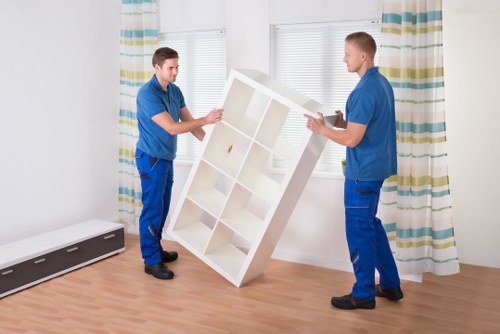
Businesses often want to know exactly what is included before they enquire. While every move is tailored to the property and contents involved, a typical commercial removals service can cover a wide range of tasks designed to protect your items and keep the relocation efficient. The focus is on planning, safe handling, and practical support rather than simply transporting boxes.
Depending on your requirements, the service may include packing support, dismantling and reassembly of office furniture, secure transportation of equipment, and placement of items at the destination. Businesses with delicate electronics, confidential files, specialist tools, or high-value stock may also benefit from extra care in how items are grouped, labelled, wrapped, and loaded. Good organisation can save a lot of time when it comes to setting up the new premises.
Some customers want a complete managed move, while others only need help with certain elements, such as moving desks, archive boxes, or larger pieces of office furniture. If you are searching for commercial moves Watford services, it is useful to ask what is included and how the move can be adapted to your business. The best fit will depend on your schedule, the size of the team, the type of property, and how much assistance you want on the day.
Common Types of Commercial Relocations

Commercial moves are rarely limited to one type of business. In Watford, the most common requests often include office relocations, retail shop moves, storage transfers, light industrial moves, and moves for professional service firms. Each one comes with different priorities. An office may need careful handling of computers, screens, printers, chairs, and documents, while a shop move may require attention to stock, shelving, display units, and opening deadlines.
For offices, efficiency is usually the top priority. Staff may need to be back at work quickly, so planning around computer setup, desk positioning, and labelled boxes can be crucial. For shops and customer-facing businesses, timing may be more important, especially if you need to minimise disruption to trading hours. For industrial or workshop settings, the move might involve heavier items, machinery, or equipment that needs extra protection and clear handling plans.
It is also common for businesses to move between mixed-use premises in Watford, such as a ground-floor unit that combines storage and office space. In these cases, the relocation may need a combination of packing, lifting, transport, and careful placement. A well-planned Watford business relocation should account for both the practical and operational side of the move, not just the physical transfer of items.
How the Moving Process Usually Works
For many business owners, the biggest concern is not the move itself but the uncertainty around it. A clear process helps reduce that worry. Although every relocation is different, most commercial moves follow a similar structure: assessment, planning, preparation, moving day, and setup. Knowing what happens at each stage can help you prepare your team and avoid last-minute problems.
The first step is usually to understand the size and complexity of the move. That means considering the number of rooms, the volume of items, access points, fragile or valuable items, and any time restrictions. It also means thinking about your new premises. Are you moving into a building with lifts, stairs, restricted parking, or different loading arrangements? Those details influence the way the job should be organised.
Once the plan is in place, preparation begins. This might involve sorting items into departments, labelling boxes, protecting surfaces, dismantling larger furniture, and arranging files or stock so they are easier to unpack later. On moving day, the team works methodically to load, transport, and unload items in a way that protects your belongings and keeps the move moving forward. At the destination, everything is placed in the relevant area so your business can get back to work as soon as possible.
Local Property Types and Access Challenges in Watford

One of the reasons local business owners often prefer a Watford-based moving team is the variety of property types found across the town. Some premises are easy to access with parking close by, while others require more careful planning. Older commercial buildings may have narrow entrances, awkward staircases, or limited internal turning space. Newer offices and business parks may be more accessible but still involve shared loading areas, timed access slots, or specific building rules.
Parking can be a particular challenge in busy parts of Watford. If your premises are near the town centre, a retail parade, or a road with high traffic levels, you may need to think carefully about vehicle size and loading times. Local knowledge can help avoid unnecessary delays and reduce the risk of a move being interrupted by access issues. That can be especially important if your business needs to keep disruption to a minimum.
Nearby areas can also affect planning. Businesses in places such as North Watford, Oxhey, Garston, Leavesden, Bushey, Croxley Green, and surrounding neighbourhoods may have different road layouts, access points, and parking conditions. A local service that regularly handles commercial relocations around Watford will usually be better prepared for these differences than a provider unfamiliar with the area.
Preparing Your Business for Moving Day
A successful business relocation depends on more than the moving team. The way you prepare internally can make a major difference to speed, safety, and how quickly your business settles into the new location. The aim is to keep the move organised and reduce the amount of time spent searching for items, reconnecting equipment, or dealing with avoidable delays.
Before the move, it is helpful to identify key priorities. For example, which items must be moved first? Which equipment must be ready for immediate use? Are there sensitive files, electronics, or stock that need separate handling? Do any staff members have responsibilities for packing, labelling, or checking items at both ends of the move? A little planning here can prevent a lot of confusion later.
It can also help to create an internal moving checklist. This does not need to be complicated. A simple structure is enough to keep everyone informed and focused. If you are arranging commercial moves in Watford, the following preparation steps are commonly useful:
- Notify staff of the moving plan and timings.
- Back up digital files and secure essential data.
- Label boxes by department, room, or priority level.
- Separate fragile, confidential, and high-value items.
- Measure larger furniture and doorways at the new premises.
- Check parking, access, and building rules at both sites.
- Decide which items need immediate unpacking on arrival.
What Can Affect the Cost of a Commercial Move

Businesses often want a clear idea of pricing, but the cost of a commercial move depends on several practical factors. Rather than quoting a fixed figure, a proper assessment should consider the size of the move, the distance between premises, the level of access, and the amount of handling required. This is one reason a tailored quote is so important.
Typical factors that may influence the price include the volume of furniture and equipment, the number of floors involved, whether lifts are available, the need for dismantling and reassembly, packing support, and the complexity of loading and parking. If the job includes fragile items, specialist equipment, or a need for out-of-hours moving, those elements may also affect the overall cost. The best approach is to request a free quote based on your specific situation rather than assuming all office moves are the same.
When comparing options for Watford commercial removals, it is sensible to look beyond price alone. A lower quote may not always include the level of planning or support you need, while a slightly higher quote may reflect better preparation, safer handling, and less disruption to your business. The right choice is one that matches your schedule, property type, and operational priorities.
Why Choose a Local Company for Commercial Moves in Watford
There are several reasons why local expertise matters when moving a business. First, a local team is more likely to understand the layout of the town, typical access conditions, and common traffic pressure points. That means planning can be more realistic from the outset. Second, local knowledge can help with timing, especially if you are moving around busy trading periods, school runs, commuter traffic, or building access windows.
Another benefit is responsiveness. When you are preparing for a business relocation, questions often come up quickly. You may need to adjust a collection time, discuss access restrictions, or clarify how certain items will be handled. A nearby team can often respond more easily and adapt the plan if something changes. That flexibility can be invaluable when dealing with live business operations.
It also helps to work with a company that understands the needs of both residential and commercial customers in the wider Watford area. Even when your move is purely business-related, the same practical awareness applies: protecting belongings, respecting properties, managing access, and keeping the move organised. A local team that handles different types of removals will usually bring a more grounded, practical approach to the job.
Office Moves, Retail Moves, and Specialist Business Relocations
Some businesses need a straightforward office move, while others require more specialised support. For example, professional offices may need attention to paperwork, desk cabling, and team seating arrangements. Retail units may need shelving, stock, tills, display materials, and stockroom contents moved in a logical order. Specialist business premises might need careful handling of tools, archive materials, or equipment that cannot simply be stacked with general furniture.
Where possible, it helps to group items by function. Keep IT equipment together, office supplies together, and important files in a secure and clearly marked category. This makes it easier for the moving team to place things in the right part of the new premises. It also helps your staff return to work more quickly because the essentials will be easier to find and set up.
For businesses that rely on continuity, the move should support the operation rather than interrupt it. That may mean coordinating with staff so that certain departments move first, or arranging the relocation in phases. If you need commercial moves Watford support for a multi-stage project, a flexible and organised approach can be especially valuable.
How to Reduce Downtime During Your Relocation
Downtime is one of the biggest concerns during a business move. Even a short interruption can affect customer service, internal communications, production, or trading. The good news is that careful planning can limit disruption significantly. The more you prepare in advance, the easier it is to keep the business running during the transition.
One useful approach is to decide which operations must continue until the last possible moment and which can be paused earlier. For example, some paperwork can be archived in advance, while essential phone lines or order-processing equipment may need to stay active until moving day. It also helps to assign responsibilities clearly so staff know who is packing what, who checks essential equipment, and who oversees the handover at the new site.
A few additional ways to reduce downtime include:
- Moving in stages rather than all at once, where practical.
- Scheduling the relocation outside peak trading hours if possible.
- Preparing boxes and labels well in advance.
- Keeping a priority unpacking list for arrival at the new premises.
- Making sure IT and utilities arrangements are planned ahead of time.
Areas Covered Around Watford
Commercial customers in Watford often want to know whether nearby locations can be included as part of the service. In practice, businesses across the wider area may need the same kind of support, especially if they operate from neighbouring towns, industrial estates, or shared commercial districts. A local team is well placed to serve a broad radius while still understanding the details that matter on the ground.
Typical nearby areas may include North Watford, Oxhey, Garston, Leavesden, Bushey, Croxley Green, Rickmansworth, and other surrounding communities. Each area has its own access patterns, parking realities, and property mix. For instance, a retail unit in a busy local parade may need very different planning from a light industrial unit with easier loading access. That is why local commercial moving support is so useful: it can be tailored to the actual site rather than based on assumptions.
If your business is relocating between Watford and a nearby area, or moving from one part of town to another, the process can still benefit from a structured plan. When you request a quote, it helps to share the exact property type, the number of rooms or work areas, and any access concerns. The more detail you provide, the more accurate the planning can be.
FAQs About Commercial Moves in Watford
How far in advance should I plan a business move?
It is best to start planning as early as possible, especially if the move involves a larger office, customer-facing premises, or specialist equipment. Early planning gives you time to organise staff, confirm access arrangements, and prepare packing in stages.
Can you move offices outside normal working hours?
Many businesses prefer out-of-hours or weekend moves to reduce disruption. If that suits your operation, it is worth discussing during the quote stage so the move can be scheduled around your trading or working hours.
What should I do with confidential documents?
Confidential files should be separated, clearly labelled, and kept secure throughout the move. If your business handles sensitive records, it is wise to decide in advance which documents will be packed, who will oversee them, and how they will be delivered to the new premises.
Do I need to dismantle furniture before the move? Not always. Some items may be moved intact, while larger desks, tables, or shelving may need to be dismantled for safe transport or to fit through access points. This is usually assessed during the planning stage.
What if my new premises have limited parking or a narrow entrance? That is exactly the kind of issue a local team should plan for. Tell the mover about access limitations early so the right vehicle, timing, and loading approach can be used.
Can you help with packing as well as transport? Many commercial moves benefit from packing support, especially where time is limited or the contents are fragile. If you want help with packing, mention it when requesting your quote.
What to Ask Before Booking
Before booking any business relocation service, it is sensible to ask a few practical questions so you know exactly how the move will be handled. This helps you compare services fairly and choose a provider that suits your needs rather than simply the lowest headline figure. For local businesses, clarity is often more valuable than guesswork.
You might want to ask whether the service includes dismantling and reassembly, whether packing materials are available, how items will be protected, how access issues are handled, and whether the team can accommodate phased moves. It is also worth checking how the quote is structured so you can understand what is included and what might count as an additional requirement.
If you are organising commercial moves in Watford, this is the right time to request a free quote and talk through the details of your premises. A proper conversation can reveal practical points you may not have considered, such as lift restrictions, stair access, loading times, or the best way to sequence departments on the day.
Book Your Commercial Move with Confidence
Relocating a business is a major step, but with the right support it does not have to feel overwhelming. A well-planned move can protect your equipment, reduce downtime, and help your team settle into the new premises with less stress. If your business is moving in or around the town, choosing a local team experienced in commercial removals in Watford can make a real difference to how smoothly the day runs.
Whether you are moving a small office, a retail space, a storage unit, or a larger commercial property, the most important thing is to work with a team that understands the practical realities of local access, property layouts, and time-sensitive business needs. That kind of support can make the relocation feel far more manageable from start to finish.
Contact us today to discuss your requirements, request a free quote, and take the next step toward a more organised move. If you are ready to plan your relocation, book your service now and get your commercial move underway with confidence.